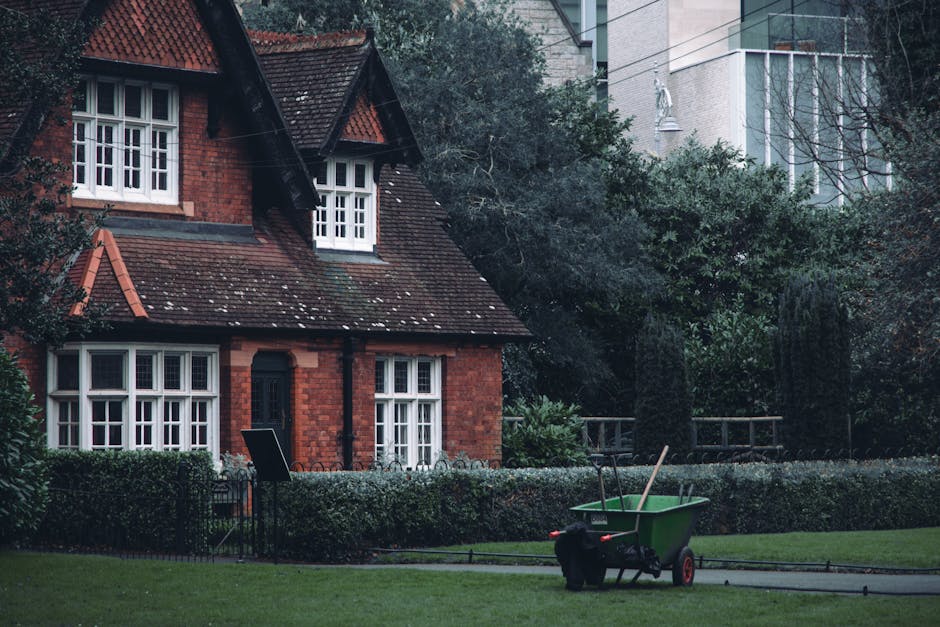
Garden maintenance for homes on Palmers Green Broadway
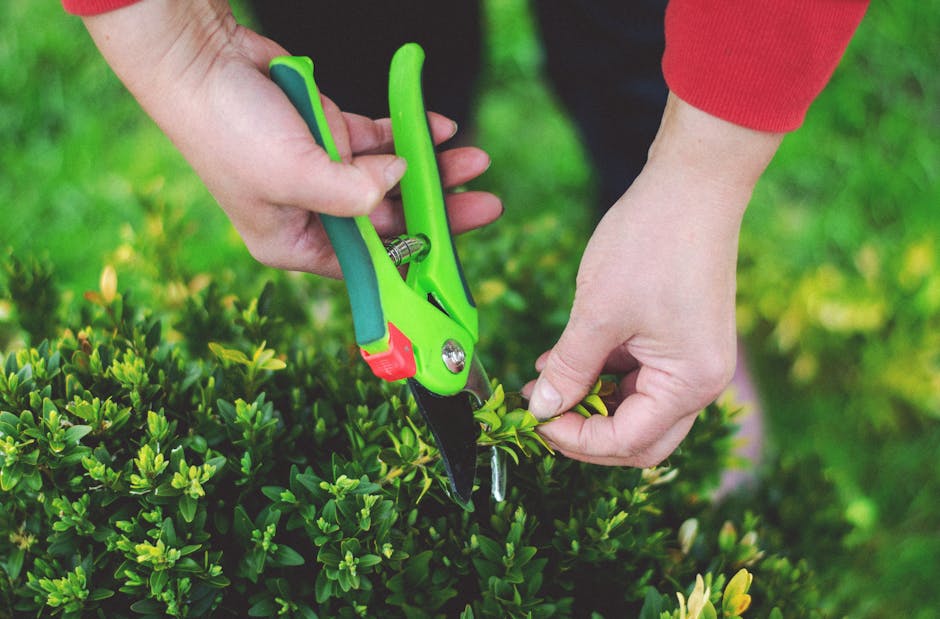
Keep a garden looking calm, cared for, and genuinely lived-in on Palmers Green Broadway, and you'll notice the whole home feels better for it. Not flashy. Just tidy, healthy, welcoming. That's the real value of Garden maintenance for homes on Palmers Green Broadway: it protects curb appeal, prevents small jobs from turning into bigger headaches, and helps outdoor space stay usable through the messier bits of British weather. In a street with front gardens, boundary planting, shaded corners, and the occasional very determined weed, regular upkeep makes a bigger difference than people expect.
Whether your garden is a compact front plot, a narrow rear space, or a more established family garden, the basics are similar: keep growth under control, feed the soil, manage lawns and hedges, and deal with seasonal changes before they snowball. This guide walks through what maintenance actually involves, how it works, what to prioritise, and when it makes sense to bring in help. A few things are easier than they look; a few are not. Let's be honest, ivy has a mind of its own sometimes.
Why Garden maintenance for homes on Palmers Green Broadway Matters
On a busy residential road, gardens don't just sit in the background. They shape how a home feels from the pavement. A trimmed hedge, a neat lawn edge, and healthy planting say a lot before anyone even reaches the front door. That's especially true on Palmers Green Broadway, where properties can benefit from a bit of regular attention rather than the occasional big tidy-up.
Maintenance matters for three simple reasons. First, plants are living systems, not ornaments. They need timely pruning, watering, feeding, and weeding. Second, neglected growth spreads fast. One wet month can turn a tidy border into a jungle if you blink. Third, outdoor spaces are used differently across the year. A garden that works in April may be clogged with fallen leaves by October or patchy and tired by late winter.
There's also the practical side. Paths can become slippery, hedges can block light, and lawns can deteriorate if they're mown badly or ignored for too long. In our experience, many homeowners don't realise how much easier gardens are to manage once a simple routine is in place. Not glamorous, but very effective.
If you want to see how maintenance fits into a broader garden care plan, the service overview on garden maintenance is a useful starting point, while lawn care and lawn mowing cover the turf side of things in more detail.
How Garden maintenance for homes on Palmers Green Broadway Works
Good garden maintenance is usually a repeatable process, not a one-off rescue job. The exact tasks depend on the season, the size of the garden, and what the space actually contains. A gravel front garden with one hedge has different needs to a family back garden with borders, a lawn, containers, and a patio.
Most maintenance visits or routines include a mix of the following:
- lawn mowing and edging
- hedge trimming and light shaping
- weeding borders, paths, and paved areas
- deadheading and tidying seasonal plants
- pruning shrubs or cutting back overgrowth
- leaf clearance and waste removal
- checking for disease, pests, or drought stress
- basic soil improvement and mulching where needed
The best approach is usually seasonal. Spring is for recovery and growth. Summer is for control and watering. Autumn is for clearing, cutting back, and preparing for wetter weather. Winter, even when it feels quiet, is still a working season. Plants can be assessed, protected, and shaped so they come back stronger.
A tidy maintenance routine is a bit like cleaning the kitchen before it gets out of hand. You do not need to start from scratch every time. You just keep nudging things back into order.
Key Benefits and Practical Advantages
The obvious benefit is that the garden looks better. But the real value goes deeper than appearance. Ongoing care protects plant health, helps surfaces stay safer, and keeps your outdoor space usable rather than "one day we'll sort that out".
Here are the advantages homeowners usually notice first:
- Better presentation: neat edges, balanced planting, and healthy greenery instantly lift the frontage.
- Less reactive work: regular care stops problems becoming expensive or time-consuming later.
- Improved plant health: pruning and feeding at the right time reduces stress and encourages stronger growth.
- Safer access: clear paths and tidy borders reduce trip hazards and slippery build-up.
- More usable space: patios, lawns, and seating areas feel inviting instead of cluttered.
- Better privacy and shelter: well-managed hedges and screening plants do their job properly.
There's also a quieter benefit: maintenance reduces mental load. You stop noticing the same messy corner every day. That sounds minor, but it isn't. A garden that feels manageable is far easier to enjoy, whether that means a cup of tea on a bench or five minutes with the back door open on a mild evening.
For homeowners who want low-effort improvements, ideas from cheap, low-maintenance garden ideas can be combined with regular upkeep to keep things simple without sacrificing charm.
Who This Is For and When It Makes Sense
Garden maintenance makes sense for a lot of people, not just those with large plots or prize roses. In fact, smaller gardens often benefit the most because clutter and overgrowth become visible quickly.
This is especially useful if you are:
- a homeowner who wants the property to look cared for all year
- a busy family juggling work, school runs, and weekend plans
- someone returning to a neglected garden and not sure where to begin
- a landlord or property owner maintaining presentation between tenancies
- an older homeowner who prefers not to manage ladders, heavy cutting, or repetitive mowing
- someone who enjoys the garden but wants help with the heavier or regular jobs
It also makes sense after seasonal events: a windy spell, a week of heavy rain, a burst of spring growth, or the post-holiday moment when the garden has quietly run away from you. We've all had that moment. One look out the window, and you think, "Right. That escalated."
If privacy is part of the issue, you may also want to look at practical planting ideas through quick-growing green hedges or soft boundary options like living fence ideas with hedging plants.
Step-by-Step Guidance
If you want a sensible maintenance routine rather than random bursts of effort, use this approach. It keeps the work grounded and avoids that common cycle of "let it go, panic, overdo it, repeat".
- Start with a quick assessment. Walk the garden slowly. Look for overgrowth, dead material, weeds, bare patches, blocked paths, and anything that looks unstable.
- Clear the obvious clutter first. Remove fallen branches, pots in the wrong place, leaves, and any rubbish. This gives you a clear view of what actually needs doing.
- Set the structure. Tackle hedges, lawn edges, and main borders before dealing with fine details. Shape gives the garden its order.
- Deal with weeds properly. Pull annual weeds before they seed. For tougher patches, remove roots where possible and mulch or replant to reduce regrowth.
- Prune with purpose. Cut back damaged, crossing, or dead material first. If a shrub looks lopsided, correct the balance a little at a time rather than hacking at it.
- Refresh the lawn. Mow to the right height for the season, not too short. Scarify or feed if the turf is thin or mossy, depending on the condition.
- Feed soil and borders. Compost, mulch, or well-rotted organic matter helps the garden hold moisture and supports healthy roots.
- Finish with detail work. Sweep patios, tidy edges, straighten pots, and water anything newly planted or stressed.
That sequence sounds simple because, frankly, it is. The trick is doing it in the right order. The structure first. The polish second.
If the garden is severely overgrown, a refresh can be the right first step before maintenance becomes routine. The guide on refreshing a neglected garden is especially useful in that situation.
Expert Tips for Better Results
Professional-looking results usually come from consistency, not expensive equipment. A few small habits make a noticeable difference.
- Trim little and often. Hedges and shrubs stay healthier when they are lightly shaped before they become unruly.
- Respect the season. Spring growth needs different handling to late-autumn tidy-ups. One routine does not fit all.
- Keep soil covered. Bare soil dries out, erodes, and weeds faster. Mulch is your friend here.
- Water early where possible. Morning watering reduces waste and gives plants time to dry before evening chill.
- Watch for shading changes. A hedge or tree that grows a little too much can alter the light pattern in a whole border.
- Use containers strategically. Pots help you refresh awkward corners and bring colour to smaller areas, especially where planting space is tight.
If you like creative planting, the article on container gardening essentials pairs well with maintenance planning, especially for front gardens and narrow side returns.
One small but useful habit: keep a short note of what you changed and when. Sounds a bit nerdy, maybe, but it helps you avoid pruning the same shrub too hard twice in one year. It happens.
Common Mistakes to Avoid
Most garden problems linked to maintenance are not dramatic. They're usually the result of a few repeated mistakes.
- Cutting too much at once: over-pruning can shock shrubs and leave ugly gaps that take ages to recover.
- Mowing too short: scalping the lawn weakens grass and makes weeds more likely.
- Ignoring hedges until they block light: by then, the job is heavier and often harder to shape well.
- Leaving weeds to seed: one missed week can become a full-season annoyance.
- Forgetting drainage: compacted soil and clogged paths can cause puddles, rot, and patchy growth.
- Using the wrong plant in the wrong place: shade, wind, and dry soil all matter more than people think.
There's also the "all or nothing" trap. A garden does not need perfect conditions to improve. It just needs the next sensible job done well. Then the next one.
For recurring weed pressure, the advice in keeping weeds at bay is genuinely practical and easy to apply.
Tools, Resources and Recommendations
You do not need a garage full of gear to maintain a residential garden well. In most cases, a modest toolkit used properly beats a shed packed with neglected gadgets.
A sensible home kit usually includes:
- sharp secateurs for small stems and deadheading
- a sturdy pair of pruning shears for thicker growth
- a reliable lawn mower
- a rake for leaves, moss, and debris
- a hoe or hand weeder for border maintenance
- gloves that actually fit
- a watering can or hose with controlled flow
- a broom or patio brush for hard surfaces
If you are building your toolkit from scratch, the guide to tools every gardening enthusiast should treasure is a handy reference. For year-round resilience, weather protection tactics are worth reading too, because wind and frost can undo neat work very quickly.
On the design side, some homes benefit from simple, low-maintenance features rather than high-input planting. If that sounds like you, the ideas in vertical gardening and ground cover planting can reduce upkeep and soften hard edges without demanding constant attention.
Law, Compliance, Standards, or Best Practice
For ordinary home gardens, garden maintenance is mostly about good practice rather than heavy regulation. That said, there are a few points worth handling carefully.
Neighbour relations: If hedges or trees spread across boundaries, it is best to keep them trimmed and avoid creating nuisance with overhang, leaf fall, or blocked access. A friendly conversation usually solves more than it creates, and it's much easier before tempers rise.
Waste handling: Garden waste should be disposed of responsibly. If you hire help, it is reasonable to ask how clippings and green waste will be managed. Good services should be clear about this.
Safety: When ladders, power tools, large branches, or awkward slopes are involved, safe working matters. This is especially true for anything near glass, fences, or public-facing areas. The pages on health and safety and insurance and safety are useful if you want to understand how a professional approach is structured.
Tree and hedge work: More substantial cutting or removal is different from routine tidying. If a tree looks unstable, diseased, or too close to structures, it may be better to use a specialist rather than treat it as a normal garden job. The same goes for larger boundary work, where tree surgery or hedge trimming can be more appropriate than general mowing or weeding.
Site access and privacy: If maintenance requires access to front gardens or shared spaces, agree the plan clearly. Good communication prevents awkwardness. Not every job needs a formal process, but clarity helps.
For service expectations, pricing clarity, and payment confidence, it helps to review pricing and quotes, payment and security, and the terms and conditions before any work begins.
Options, Methods, or Comparison Table
Homeowners usually choose one of three approaches: do it themselves, hire occasional help, or arrange regular maintenance. The right answer depends on time, confidence, and the garden's complexity.
| Approach | Best for | Strengths | Trade-offs |
|---|---|---|---|
| DIY maintenance | Small, simple gardens and confident gardeners | Flexible, lower direct cost, full control | Time-consuming, easy to delay, equipment needed |
| Occasional tidy-up | Gardens that need a reset a few times a year | Good for seasonal catch-up, useful for heavy tasks | Things can drift between visits if you do nothing in between |
| Regular maintenance | Busy households, larger gardens, visible frontages | Consistent appearance, fewer problems, easier long-term care | Ongoing commitment, requires trust and communication |
If your garden has a lot of structure, multiple borders, or a lawn that needs frequent attention, regular maintenance is often the calmest choice. If the space is mostly paved with a few planters, occasional support may be enough. Simple, really.
Case Study or Real-World Example
Here's a realistic example. A typical home on Palmers Green Broadway has a small front garden, a modest rear lawn, a hedge along one side, and a paved area that collects moss after wet weather. Nothing unusual. But over a season, the hedge starts leaning into the walkway, weeds appear in the border, and the lawn becomes patchy because it was cut too short a few times in dry spells.
The first visit focuses on a reset: clear leaves, cut back hedge growth, remove weeds, edge the lawn, and sweep the paving. A second pass tackles the planting: deadheading tired stems, mulching the borders, and checking whether the lawn needs feeding rather than more cutting. After that, the job becomes manageable with a lighter routine every few weeks.
What changed? Not magic. Just order. The garden looked bigger, the front of the house felt brighter, and the owner stopped worrying every time they opened the curtains. That small shift matters more than people expect. A garden should not feel like a chore looming in the distance.
For homes that also want a more relaxed seating area or a family-friendly feel, the ideas in crafting ideal seating spots and building a garden oasis for children show how maintenance and usability go hand in hand.
Practical Checklist
Use this checklist before or after any maintenance visit. It keeps things focused and helps you spot what needs attention next.
- Is the lawn cut to the right height for the season?
- Are hedge lines neat and not blocking light or paths?
- Have weeds been removed from borders and paving?
- Are dead, damaged, or diseased stems cleared away?
- Are containers watered and looking balanced?
- Have leaves and debris been swept up?
- Do paths, steps, and patios feel safe and uncluttered?
- Has mulch or compost been added where the soil looks tired?
- Are any plants showing signs of stress, pest activity, or poor drainage?
- Is there a simple plan for the next four to six weeks?
And if the answer to several of those is "not yet", that's fine. It simply means the garden needs a reset, not a miracle.
Conclusion
Garden maintenance for homes on Palmers Green Broadway is really about keeping outdoor space workable, healthy, and pleasant to look at without letting the job get away from you. A little routine goes a long way. Trim before growth gets heavy. Mow with care. Tidy the edges. Feed the soil. Deal with weeds before they settle in for the season.
Whether you prefer to do it yourself or get support for the heavier jobs, the goal is the same: a garden that feels ready rather than embarrassing, calm rather than chaotic. And truth be told, that feeling of stepping outside to a tidy space on a bright morning is hard to beat.
If you're planning your next step, explore the wider range of gardening services, learn more about the team on about us, or start a conversation through contact when you're ready.
Get a free quote today and see how much you can save.
A well-kept garden does not have to be perfect. It just has to be cared for, steadily, with a bit of patience and the odd tidy-up after the weather has had its say.
Frequently Asked Questions
How often should garden maintenance be done for homes on Palmers Green Broadway?
Most gardens benefit from light attention every one to two weeks in the growing season, with less frequent but still regular checks in autumn and winter. The exact rhythm depends on lawn growth, hedge size, and how much planting you have.
What is usually included in garden maintenance?
Typical tasks include mowing, edging, hedge trimming, weeding, pruning, clearing leaves, tidying borders, and removing green waste. Some gardens also need seasonal feeding, mulching, or patio brushing.
Is regular maintenance better than occasional garden tidy-ups?
For most homes, regular maintenance is better because it stops problems from building up. Occasional tidy-ups can work for very simple gardens, but they often leave a lot more to do later.
Can garden maintenance help improve property appearance?
Yes. A neat lawn, trimmed hedge, and weed-free frontage make a home look more cared for almost immediately. That visual lift is one of the strongest reasons people invest in it.
What should I do first if my garden has been neglected?
Start with clearing debris, cutting back overgrowth, and removing obvious weeds. Then assess the lawn, borders, and any damaged plants. A neglected garden usually needs a reset before it can be maintained properly.
Do I need professional help for hedge trimming or tree work?
If growth is large, awkward, or near structures, specialist help is often the safer choice. Routine trimming is one thing; bigger cuts, tall hedges, and unstable branches are a different matter.
How do I keep maintenance costs under control?
The best way is to stay consistent. Small, regular jobs are usually cheaper and easier than major recovery work. Also, choosing simple planting and low-maintenance features can reduce the workload over time.
What are the signs that my lawn needs care rather than just mowing?
If the grass is patchy, mossy, compacted, or turning pale despite watering, it may need more than a cut. Feeding, aeration, scarifying, or better watering habits may be needed instead.
Are there low-maintenance planting options that still look good?
Absolutely. Ground covers, hardy shrubs, containers, and carefully chosen hedging can all reduce routine work while keeping the garden attractive. Mixed planting often gives the best balance.
What should I ask before hiring a garden maintenance service?
Ask what is included, how often visits are recommended, how waste is handled, and whether the team can deal with lawns, hedges, and larger cutbacks. It is also sensible to check safety, payment, and service terms in advance.
Can garden maintenance be done in winter?
Yes, though the tasks change. Winter is often about leaf clearance, safety checks, light pruning where appropriate, and preparing beds and borders for the next growing season. It is quieter, but not pointless at all.
How do I keep my garden looking tidy between visits?
Do a few five-minute jobs: sweep paths, pull obvious weeds, deadhead spent flowers, and water containers if needed. Small habits keep the whole space from slipping backwards too fast.